Recognizing Defoliation Symptoms and Protecting Ventura County, West LA, and Malibu Canopies
Eucalyptus trees are an iconic element of the Southern California landscape. Brought to the region over a century ago as windbreaks, shade trees, and timber, mature eucalyptus stands frame coastal bluffs in Malibu, line agricultural corridors throughout Ventura County, and shade residential neighborhoods across western Los Angeles County.
However, these magnificent trees face a persistent threat: the Eucalyptus Tortoise Beetle (Trachymela sloanei). Originating from Australia and first discovered in Southern California during the late 1990s, this invasive pest can strip healthy canopies bare if left unchecked, leaving trees vulnerable to severe stress, secondary wood-boring pests, and dieback.
What is the Eucalyptus Tortoise Beetle?
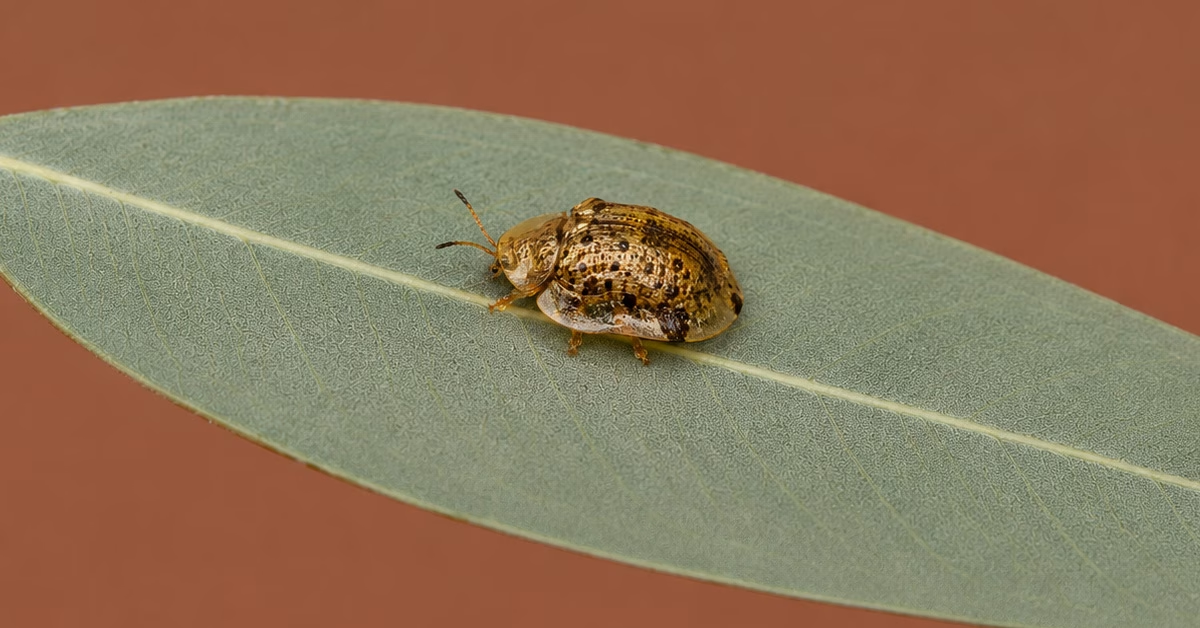
The Eucalyptus Tortoise Beetle is a small, nocturnal leaf-chewing beetle belonging to the family Chrysomelidae. Unlike the shiny, iridescent beetles many homeowners recognize, adult tortoise beetles are mottled brown and grey, blending seamlessly into eucalyptus bark and branch crotches during daylight hours.
- Adult Size: ~7mm to 10mm (small, domed, shell-like shape)
- Daytime Behavior: Hides under peeling bark or in soil leaf litter
- Feeding Habits: Both larvae and adults consume young foliage and shoots at night
Because both adults and larvae feed strictly under the cover of darkness, homeowners and property managers often notice severe canopy damage long before they ever spot the pest itself.
Identifying Symptoms of an Infestation
Early detection is critical to preventing permanent canopy loss. Because Ventura and West Los Angeles counties experience mild coastal winters, beetle populations can build rapidly across spring and summer months.
Key Signs Your Tree is Under Attack:
-
Notched or “Scalloped” Leaf Edges: Young larvae and adults chew ragged, semi-circular notches along the margins of young, tender eucalyptus leaves.
-
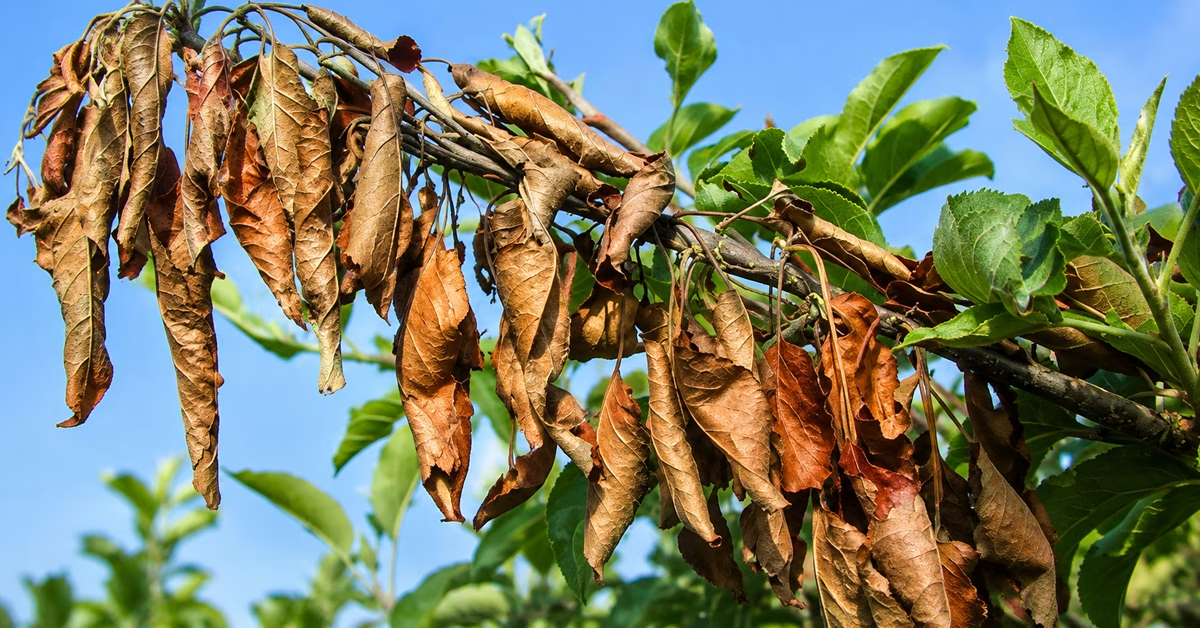
Canopy Thinning & Defoliation: As feeding intensifies, entire branch tips lose their foliage, creating thin, see-through canopies near the top and outer edges of the tree.
-
Reddish-Brown Frass & Droppings: Heavy infestations drop noticeable amounts of fine insect frass on driveways, patios, and understory plants below the tree.
-
Larval Clusters: Small, slug-like reddish-brown larvae can sometimes be found hiding in clusters under loose, peeling bark patches near branch junctions.
Note on Coastal Microclimates: In coastal zones like Malibu, Santa Monica, and Oxnard, high ambient humidity coupled with beetle defoliation often accelerates secondary fungal infections and stress-induced dieback.
Why Southern California Trees Are Particularly Vulnerable
Eucalyptus species in Southern California already face severe environmental stressors. Prolonged drought cycles, high summer temperatures in inland valleys like Simi Valley and Thousand Oaks, and intense Santa Ana wind events put continuous stress on mature root systems.
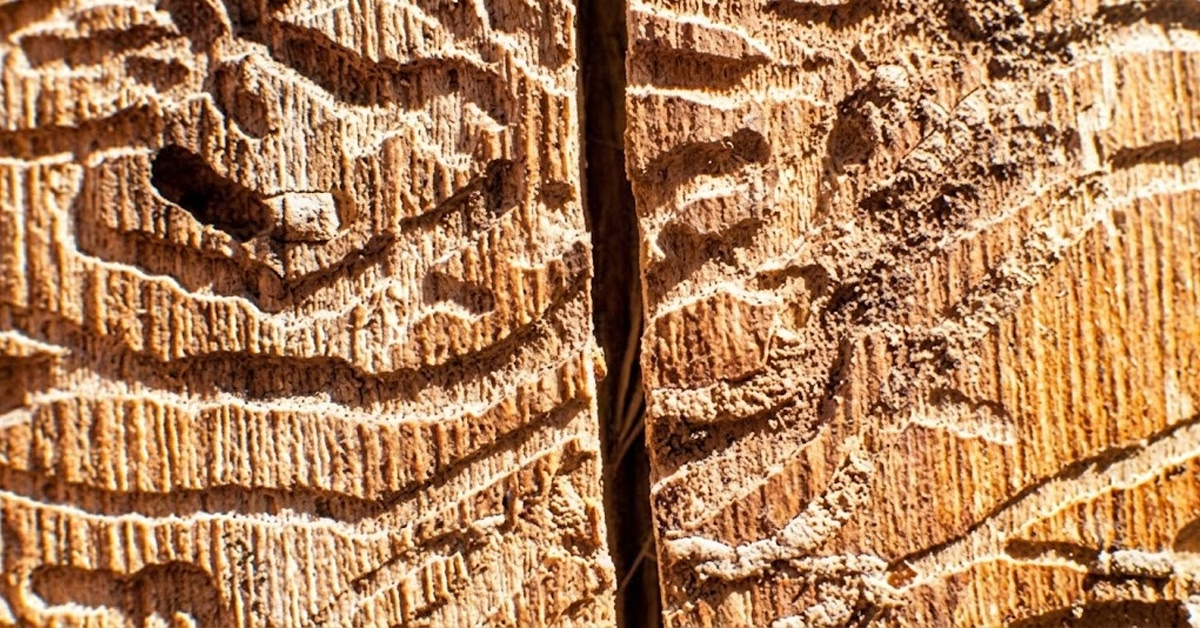
When a tortoise beetle infestation strips foliage, the tree loses its primary ability to photosynthesize and store carbohydrates. This weakened state opens the door to even more destructive secondary pests—most notably the Eucalyptus Longhorned Borer (Phoracantha semipunctata), which attacks the inner vascular trunk tissue and can kill a mature tree within a single season.
According to research from the University of California Integrated Pest Management Program (UC IPM), maintaining tree vigor and reducing drought stress are the most critical defensive measures against invasive Australian eucalyptus pests.
Management and Prevention Strategies
Managing Eucalyptus Tortoise Beetles requires an integrated approach that combines cultural care, biological controls, and targeted plant healthcare treatments.
1. Maintain Proper Irrigation and Soil Health
Drought-stressed trees produce less natural resin and sap, making them far more attractive to leaf-feeding beetles. Deep, infrequent soakings during dry summer months help maintain hydraulic pressure and canopy resilience.
2. Preserve Natural Predators
In Southern California, introduced parasitic wasps (such as Enoggera nassaui) attack tortoise beetle eggs and help suppress wild populations naturally. Avoiding broad-spectrum chemical foliar sprays preserves these beneficial biological controls.
3. Professional Systemic Trunk Injections
For high-value specimen trees or severe residential infestations, direct trunk micro-injections offer the cleanest, most effective protection. Systemic treatments deliver targeted protection directly into the tree’s vascular system, killing feeding larvae and adults without overspraying surrounding ecosystems, waterways, or nearby coastal wildlife corridors.
When to Call an ISA-Certified Arborist
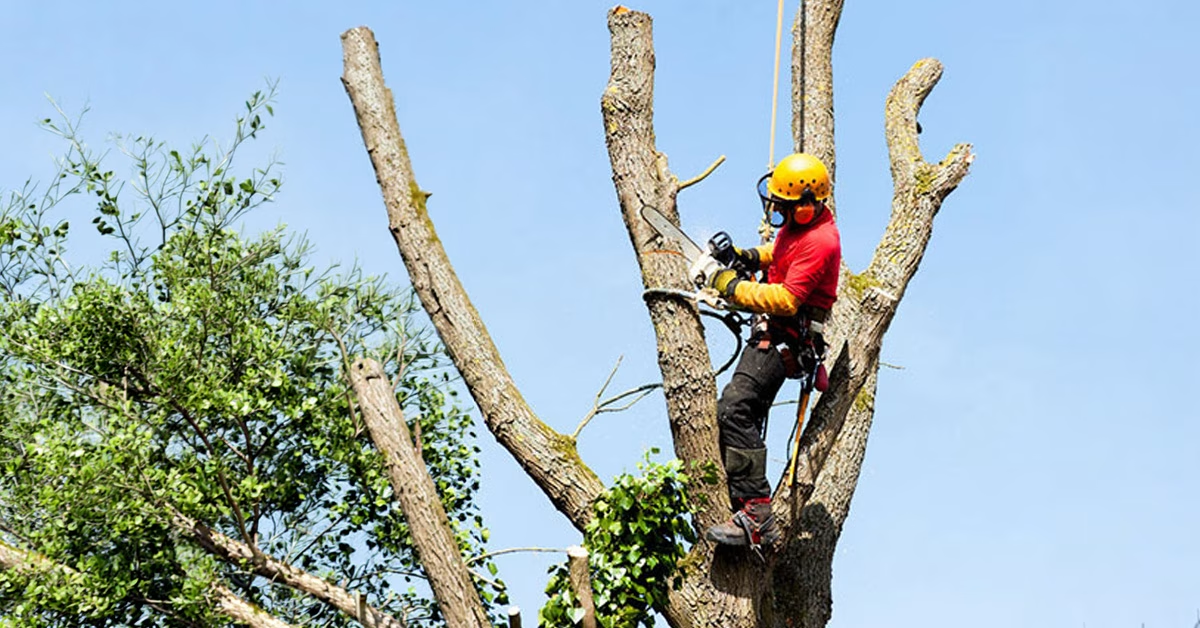
If you notice significant canopy thinning, scalloped foliage, or dieback on your eucalyptus trees in Ventura County, Malibu, or West Los Angeles, contact a certified arborist promptly. Professional evaluation ensures accurate pest identification, rules out secondary wood borers, and delivers a customized plant health care strategy to restore canopy density.
For additional research on invasive eucalyptus pests in Southern California, visit the UC Riverside Center for Invasive Species Research or review regional management guidelines published by the USDA Forest Service Pacific Southwest Research Station.
If you think you may have a tortoise beetle infestation in your eucalyptus trees, call (805) 491-3244 or use the form below for a free estimate.